Winshark Withdrawals: Methods, Limits and Timing
 Available in US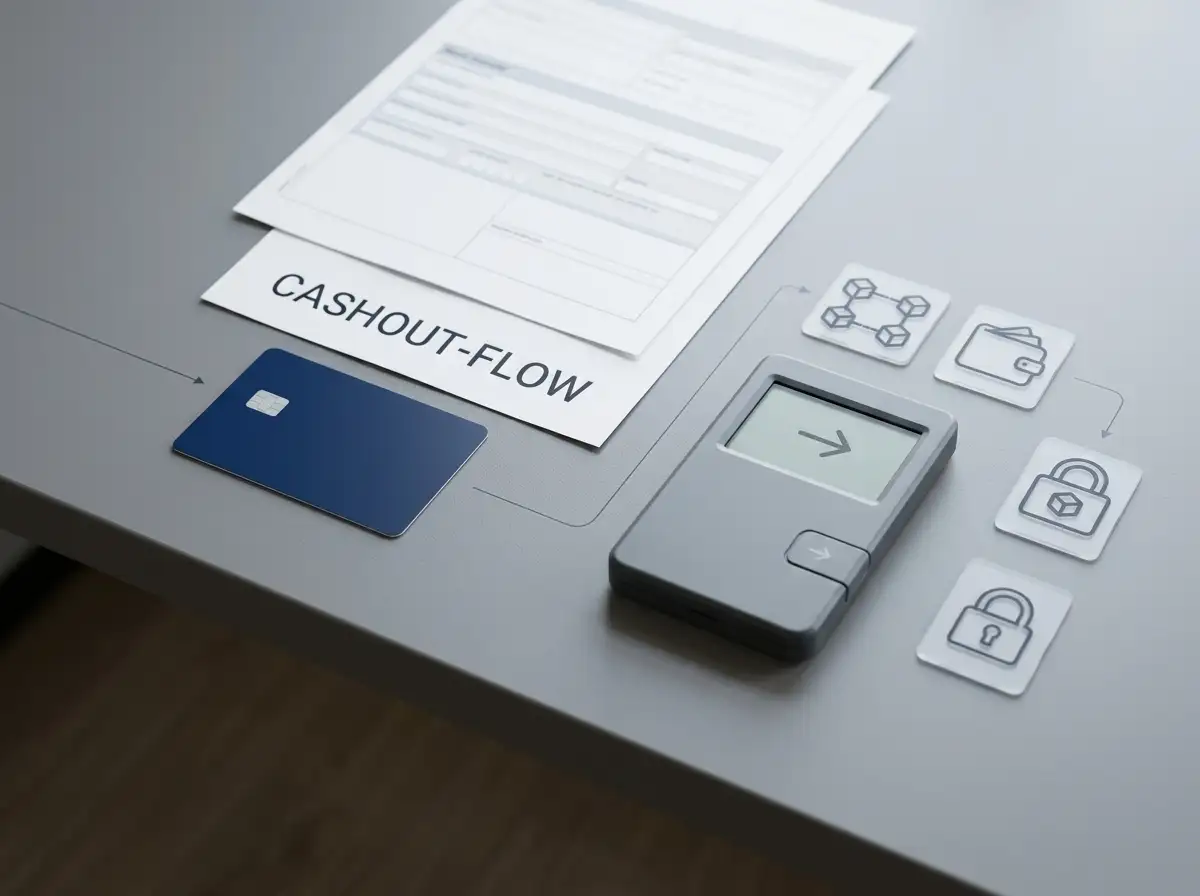
Contents
Winshark withdrawal minimums, limits and processing times depend on the method. Bank transfer, MiFinity and individual crypto assets can start at different amounts, while transaction and monthly caps depend on the account and payment route. The withdrawal route can also differ from the deposit route: MiFinity can be used in both directions, while Visa, MasterCard, Neosurf or CashtoCode deposits may return by bank transfer. Identity, address and payment-method checks can delay release of a withdrawal.
Minimum cashouts vary by method
Withdrawal minimums are method-specific. Current examples are A$15 for bank transfer, A$30 for MiFinity, A$80 for XRP and A$90 for several crypto assets. Check the current minimum for the selected cashout method in the cashier before submitting a request, because the threshold can depend on the route.
The minimum needed for a cashout depends on the return route. Bank transfer can have a different threshold from an e-wallet or crypto withdrawal, and one crypto asset can differ from another. Check the minimum for the method you plan to use instead of applying the lowest figure to every withdrawal.
| Withdrawal method | AU-facing minimum example | What the figure means |
|---|---|---|
| Bank transfer | A$15 | Method-level cashout example |
| MiFinity | A$30 | Method-level cashout example |
| XRP | A$80 | Crypto-specific cashout example |
| Several crypto assets | A$90 | Applies to these assets rather than every crypto route |
A balance can be large enough for one withdrawal method but still fall below another method’s minimum. Check the threshold for the route you plan to use before leaving a small balance in the account.
- Compare the withdrawal minimum for the actual return rail, not the deposit rail by default.
- For crypto, treat the asset and network as part of the route rather than assuming all coins share one threshold.
- When a deposit route switches to bank transfer, use the bank-transfer cashout conditions for the return leg.
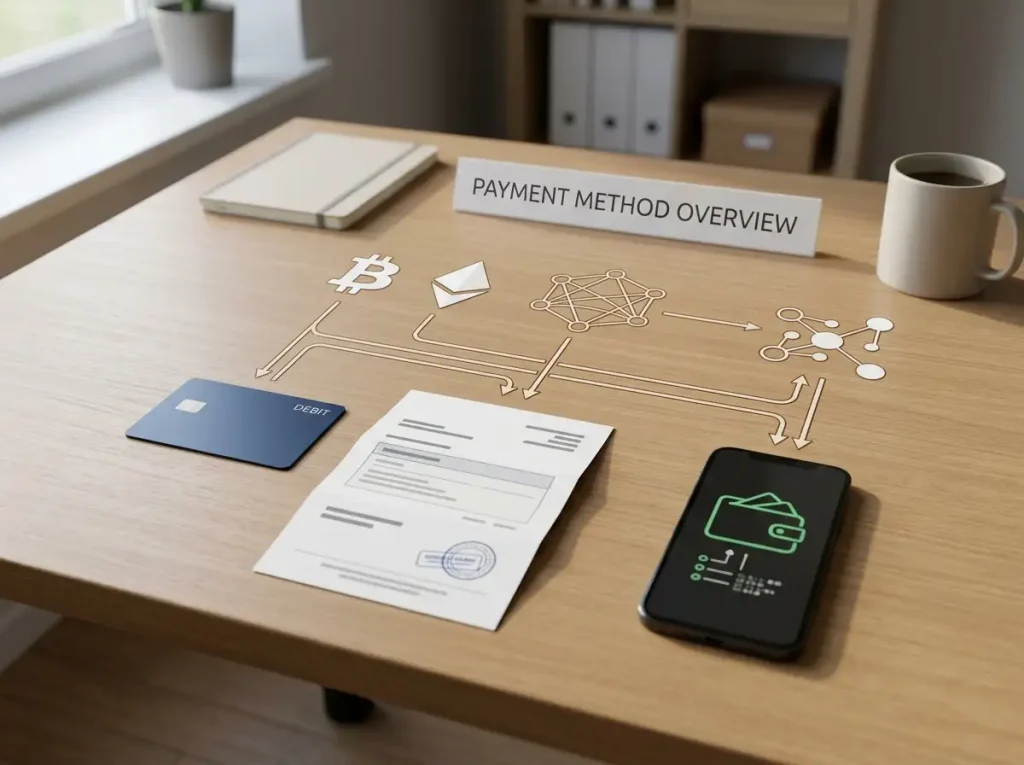
The broader payment-method page maps the fiat and crypto mix, including which known deposit methods can hand the withdrawal over to a different rail.
Cashout caps depend on the account and route
Examples shown for a standard account include A$900 as a transaction/day cap and A$18,000 per month. Limits can differ by currency, payment route or account tier, so check the current limits in the account before planning a large withdrawal.
“Maximum withdrawal” can mean different limits. A per-transaction cap controls one request, a daily cap controls how much can leave in a day, and a monthly cap sets a longer limit. Account status can add another layer if higher loyalty ranks increase monthly cashout limits.
| Where the cap applies | AU-facing figure | What it means |
|---|---|---|
| Per transaction/day | A$900 | A larger balance may require more than one cashout step |
| Monthly, ordinary account | A$18,000 | Total cashouts can be constrained across the month |
The figures should not be projected onto every account as a promise or permanent rule. They show that cashouts can be limited both per request and per month. A player planning a large withdrawal should read the account-specific cashier limit and the applicable terms together before assuming that a balance can leave in a single request.
Deposit minimums and cashout caps answer different questions. A deposit minimum sets how much can enter through a method, while a cashout cap limits how much can leave in one request or over a period. Do not treat them as the same threshold.
When the withdrawal route changes
The withdrawal method can differ from the deposit method. MiFinity is available for both deposits and withdrawals, while Visa, MasterCard, Neosurf and CashtoCode deposits may use bank transfer for cashout. When the route changes, bank details or additional payment proof may be needed.
| Deposit method | Known cashout route | Route effect |
|---|---|---|
| MiFinity | MiFinity | Same-provider route |
| Visa | Bank transfer may apply | Return rail can change |
| MasterCard | Bank transfer may apply | Return rail can change |
| Neosurf | Bank transfer may apply | Return rail can change |
| CashtoCode | Bank transfer may apply | Return rail can change |
A route change can matter even where Winshark lists no operator withdrawal fee. The casino-side fee statement does not cover every possible bank, processor, FX or blockchain cost. Moving from a deposit product to bank transfer can introduce a different settlement path, different account details and a different external fee environment.
Check the cashout route before submitting the withdrawal request. Start with the deposit method, check the return method shown for the account, then compare the minimum, cap and verification requirements for that route. This avoids assuming that the deposit experience predicts the withdrawal experience.
- Identify the funding method used on the account.
- Check whether the cashier sends withdrawals back through that method or through bank transfer.
- Use the cashout minimum and cap for the return rail that is actually selected.
- Check whether payment-method proof or bank details are requested before release.
Verification before a cashout is released
Verification is part of Winshark’s withdrawal flow. Identity, address and payment-method proof can be requested, and a withdrawal can be delayed until those documents are approved. Prepare KYC documents before a large cashout instead of waiting for a request after submission.
KYC can take up to three working days, but that does not guarantee payout within three days. Document checks happen before or during withdrawal processing, so a method with a short transfer time can still wait for the requested documents to be approved.
Keep account and payment documents consistent. The account name, address and payment details should match the documents you submit. Payment-method proof matters when the withdrawal route differs from the deposit route, because a cashout can require bank details even when the original deposit used a card or voucher-style method.
- Identity proof connects the account to the person requesting the cashout.
- Address proof supports the residential details used on the account.
- Payment-method proof connects the funding or return rail to the account holder.
- A clear support trail helps keep document requests, replies and deadlines together.
The account verification page covers KYC documents, support channels and player controls. Preparing the requested documents before a large cashout does not guarantee faster processing, but it can prevent delays caused by missing files or mismatched account details.
Processing times by withdrawal route
Withdrawal timing varies by route. MiFinity is shown from instant to 72 hours, bank transfer at 2–5 business days and several crypto methods as instant. A broader processing period of 1–5 days is also shown, and weekend handling can affect timing. These timeframes are not payout guarantees; check the current withdrawal details in the account before relying on them.
Payment-method speed starts only after the casino releases the withdrawal. Bank transfer can then take additional settlement time, crypto can move quickly on-chain after release, and an e-wallet can have a short transfer step. KYC or account review can still delay the request before any of those payment times begin.
| Route | Timeframe | How to read it |
|---|---|---|
| MiFinity | Instant to 72 hours | Method-specific timeframe |
| Bank transfer | 2–5 business days | Method-specific timeframe |
| Several crypto methods | Instant | Method listing, not a guarantee of total cashout time |
| Broader processing period | 1–5 days | General processing period; weekend handling can differ |
Treat processing and payment times as separate stages. First comes account and withdrawal review, including any requested KYC. After release, the bank, wallet or blockchain completes its own transfer. A method-specific time is not a guaranteed end-to-end cashout time, so check the current withdrawal status in the account.
This staged view also helps when a withdrawal takes longer than the shortest figure shown for a method. The first check is not whether the fastest number has passed, but which stage the request has reached: document review, operator processing, release to the payment rail or external settlement.
Questions about Winshark withdrawals
What is the minimum Winshark withdrawal?
The minimum depends on the cashout method. Current examples are A$15 for bank transfer, A$30 for MiFinity, A$80 for XRP and A$90 for several crypto assets. Check the cashier for the current threshold on the route you plan to use.
Can a card deposit be paid back by bank transfer?
Yes. Visa and MasterCard deposits may use bank transfer for the cashout. Neosurf and CashtoCode can follow the same route, while MiFinity can be used for both directions.
How long can a Winshark withdrawal take?
Times depend on the route. MiFinity is shown from instant to 72 hours, bank transfer at 2–5 business days, and a broader processing period is 1–5 days. These are not payout guarantees; check the current account details before relying on them.
Can verification affect a withdrawal?
Yes. Identity, address and payment-method proof can be requested as part of the withdrawal flow, and a cashout can wait until requested documents are approved.
Method, limits and verification shape the withdrawal journey
Winshark withdrawals make the most sense when each layer is kept separate. The chosen return rail determines the relevant minimum; the account and route affect the cashout caps; a deposit method can hand the withdrawal to bank transfer; KYC can add a document-review stage; and the payment rail has its own processing window after release. Reading those stages together gives a clearer cashout picture than any single minimum or speed figure. For deposit and payment details, return to the payment overview; for account documents and support flow, use the verification page.
This material was created by the Winshark Notes team.
Related posts
Winshark Payment Methods and Withdrawals
Winshark License and Australia Legal Status